THE LIGHT OF LIGHT, THE LIGHT OF LIFE — A CHRISTMAS MEDITATION

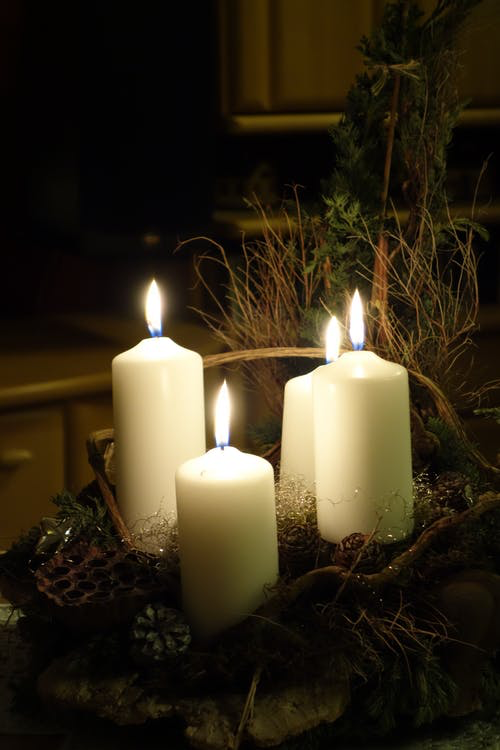
The canonical gospels tell the Christmas story in two different ways. The one more familiar to us is that of the birth of Jesus in Bethlehem in Judea as told in the gospels of Matthew and Luke.  (The gospel of Mark doesn’t tell this story at all.) The second is the one told in the gospel of John. Here we find the story of how Jesus, the word of God, became fully incarnate in human flesh. It is the story of how God entered into the world in splendid light. The writer of the gospel of John writes of Jesus, “in him was life, and the life was the light of all people. The light shines in the darkness, and the darkness did not overcome it”(John 1:4-5).

Later in the same gospel, Jesus says, “As long as I am in the world, I am the light of the world”(John 9:5). And, “I am the light of the world. Whoever follows me will never walk in darkness but will have the light of life” (John 8:12). Jesus is the light of the world. He is “God from God” and “Light from Light” as we affirm in the Nicene Creed.

The central Christmas message is that God became incarnate in Jesus. That is true whether it is told as the narrative of the birth of a child as in Matthew and Luke or in a more symbolic way as in John.

In the worship services of the Episcopal Church we read and tell the story of the birth of Jesus in Bethlehem at our Christmas Eve and Christmas Day services. We read and tell the story of Jesus, as the light that enters a darkened world, being born in human flesh, on the first Sunday after Christmas. Both stories are read and proclaimed during the twelve days of the Christmas season.

We find many references to light and darkness in the gospel of John. In the first chapter of John, Jesus, the light of the world, enters a world full of darkness. The darkness now threatened by that brightness of that light is not able to overcome the power of that light, a light that comes from the very being of God (John 1: 4-5).

We can understand the darkness of the world in two ways —the first, in historical, political and social terms, and the second, in personal terms.

That world is a place full of darkness. Darkness is a metaphor for human sin, greed, corruption, and all of the things that are not in accord with the purposes for which God created them. [1]  We see the darkness of the world in crime and lawlessness. We see it in political institutions and governments. We see it in social inequality and injustice.

We also find darkness within our own selves. We see it in the sinful and self-indulgent appetites that make ourselves the center of the universe, often to the detriment of others. We see it in our quickness to find fault with others without realizing that those same faults are found in us. We see it in the dishonesty of the little things in daily life that we just let slide, saying that it is someone else’s problem and not ours. We see it in the lack of concern for the welfare of others. And we see it in our failure to love our neighbors as we love ourselves.

At the same time, we find this darkness even deeper within us, in our loneliness and lack of hope. The world can be a dark and hopeless place. Sometimes, we are just a breath or two away from despair.  That is when we need to hear the good news of Christmas most of all. “Do not be afraid; for see—I am bringing you good news of great joy for all the people: to you is born this day in the city of David a Savior, who is the Messiah, the Lord” (Luke 2:10-11).

When hope is thin and frail, Jesus comes to us in our own dark night. He comes into the world to be near to us, to bring light into our darkness — to console us, and to save us. He comes to us in our weakness and our frailty, to enlighten the darkness within us, to bring hope. And when he comes, he brings light and peace that all may be well.

With the Mary and Joseph, the humble shepherds, and the heavenly host of angels let us give thanks to God for the gift God has given us at Christmas, the gift of God’s own self, in the person of Jesus. Gloria in excelsis Deo.

Footnotes

[1]‘Light’ and ‘dark’ are guiding metaphors for John’s gospel.  They have attracted overtones of racial bias that are inappropriate and have no place in the good news of Christ, who brings salvation to all people, light-skinned and dark-skinned alike.
 

ADVENT— A SEASON OF PRUNING

One of the most difficult and daunting tasks gardeners face is that of pruning. After months of coaxing, tending, fertilizing, watering, and the like, working to get a plant to grow, there comes a time when the gardener needs to prune some branches. Pruning removes dead, damaged, or diseased branches from the plant and, in the long run, helps the plant to produce more flowers or fruit. Advice on when and how best to prune rose bushes varies to a degree but all the sources agree that rose bushes are fairly resilient and will recover from most pruning errors.

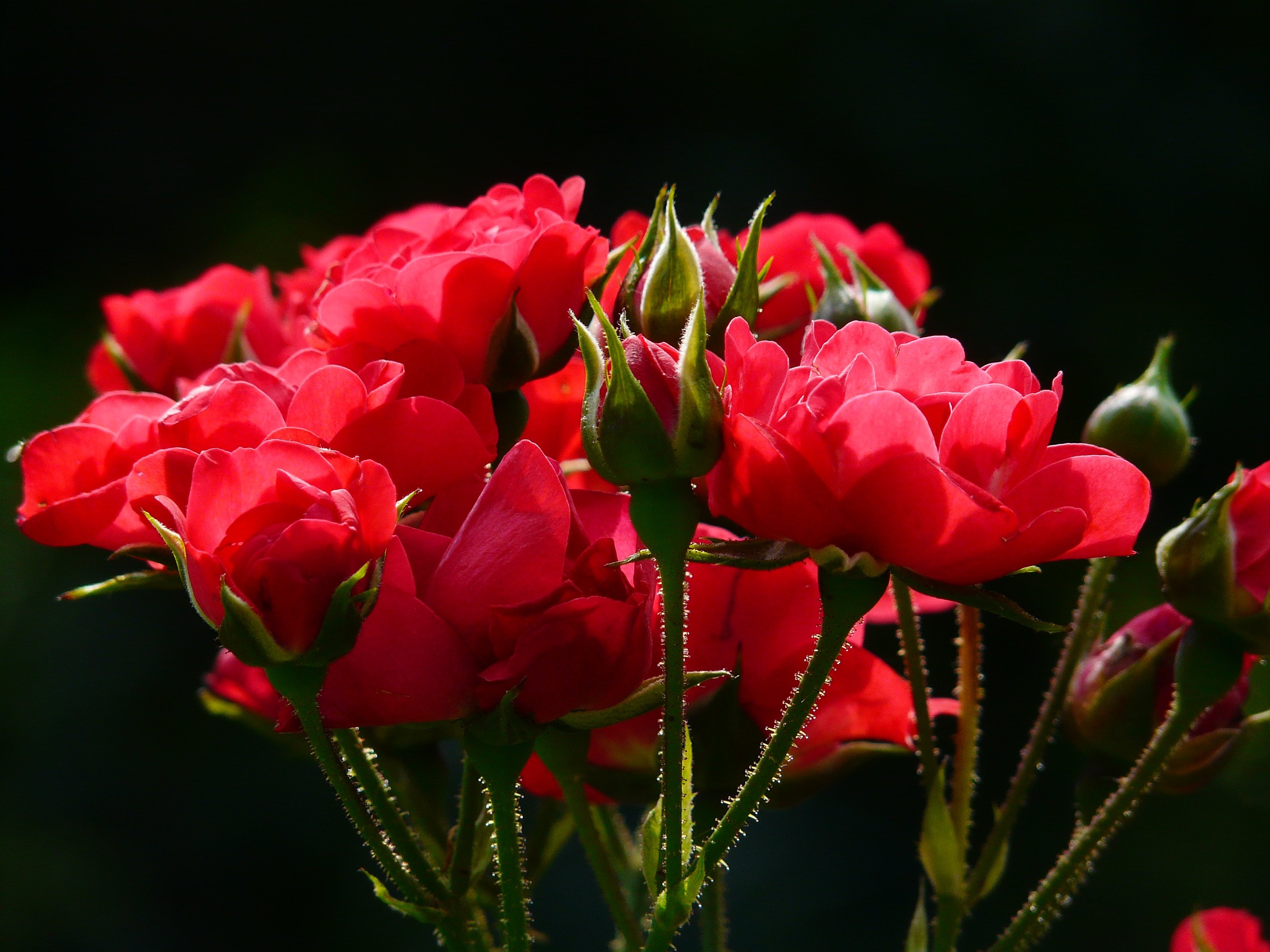
Over the past few years, I have been tending five rose bushes in the backyard garden. A few of them are of the sizeable Knockout variety. All spring and summer I nipped the flowers past bloom so that the rose bushes would produce more flowers. I watered and weeded around them, and encouraged them to grow. I hate to think that next spring I will have to cut some of the very branches I watched grow this year. Yet if the roses are to flourish—and flourish is the key word here—they will have to be pruned.

In his teachings, Jesus used pruning as a metaphor for the spiritual growth of his disciples.  He said, “I am the true vine, and my Father is the vinegrower. He removes every branch in me that bears no fruit. Every branch that bears fruit he prunes to make it bear more fruit. …My Father is glorified by this, that you bear much fruit and become my disciples.  (John 15:1- 2; 8).

Advent is a season in which we make room for God in our lives. Advent, in other words, is a season of pruning.

For generations of Christians, prayer, fasting, various forms of self-denial, examination of conscience, and subsequent confession of sins have been integral to the preparation for major days of celebration in the church calendar. The fact that these days were called “feasts” is no accident. They were days of celebration accompanied food, fun, family, friends, and fellowship. Feasts, the church must have realized, are like flowers on rose bushes, they flourish and bear fruit most after pruning.

How, then, do we go about this spiritual pruning? We begin by turning away from the things that we know separate us from the love of God. We repent, we turn away from, things we know are not good for us, not good for those around us, and not good enough for God.  We open our hearts and minds to God and pray that God will allow us to let go of the branches in us that need to be cut and discarded.

We also may need to forgive those who have hurt us. When we are unable to forgive we carry the weight of that around with us wherever we go. We again should open our hearts and minds to God and pray that God will help us to forgive so that we can let go of these branches that need to be cut and discarded.

In one of the prayers of confession in the Book of Common Prayer, we confess the sinful “things we have done” and “the things we ought to have done.” Spiritual pruning may involve eliminating some of the internal clutter in our lives so that we are ready and able to respond to the new things to which God is now calling us. It may be painful to let go of those old branches, but when we do we are more able to bear fruit.

Pruning helps us flourish, flower, and bear fruit. Perhaps it’s time for you to do some spiritual pruning this Advent.

OBSERVING ADVENT

Advent, the name of the first season of the church year, comes from the Latin word “adventus,” a word that refers to the “coming” of the Messiah, the Christ, first at his birth in Bethlehem and last to his anticipated Second Coming at the Great Day of the Lord.

With Advent, we begin again the cycle of seasons of the church year that helps the Christian community to remember the life of Christ, form a life of discipleship centered around him, and enter into the promises of God for us in our future.

The observance of the Advent season can first be traced to the latter half of the 6thcentury. The season arose as a parallel to the season of Lent—the time of preparation and repentance prior to baptism at the Easter feast. Just as Easter had a season of preparation, the early church must have reckoned, so should Christmas. Advent, then, was first observed as a penitential season in which festivities were discouraged, but with less strictness than with Lent.

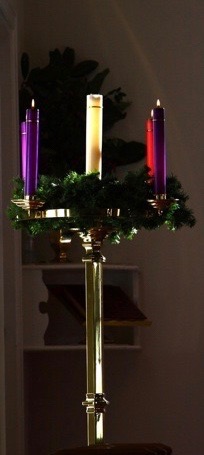
Today the celebration of Advent has been overshadowed by the secular celebrations of Halloween, Thanksgiving, and Christmas to the point that Advent is all but forgotten. The tradition of the Advent wreath still endures in our church liturgies, but its observance sadly is in decline in the homes of Christian families throughout our nation. The same is true for Advent Calendars. Because Christmas in our culture has become so commercial and has been celebrated to such excess, we have all but lost sight of how earlier Christians prepared for the Christmas season through prayer, meditation, and fasting.

Advent is a time set aside by the church to prepare ourselves to greet the Lord at the day of his coming through self-examination, penitence, and prayer. The first half of the fifth verse of the Christmas Carol “O Little Town of Bethlehem” expresses the purpose of our Advent preparations.

O Holy Child of Bethlehem, Descend to us we pray

Cast out our sin and enter in, be born in us today.

To observe Advent in our world today is counter-cultural. Although the world around us is hustling madly to prepare for Christmas, Advent offers a time to take a deep breath and to slow down. It is a time for self-examination and prayer — a time to think about how we are living as a disciple of Christ and to examine anew how we respond to God’s call to us. Advent observed properly is a season of both renewal and hope.

In the booklet, for which you will find a link below, you will find a short Advent service that you can use as a private devotion or as a service with family and friends around your Advent wreath. You might even use it along with your blessing at dinner. You also will find activities for all ages.

May you have a blessed Advent season in preparation for the coming of our Lord this Christmastide.

Advent Booklet 2018